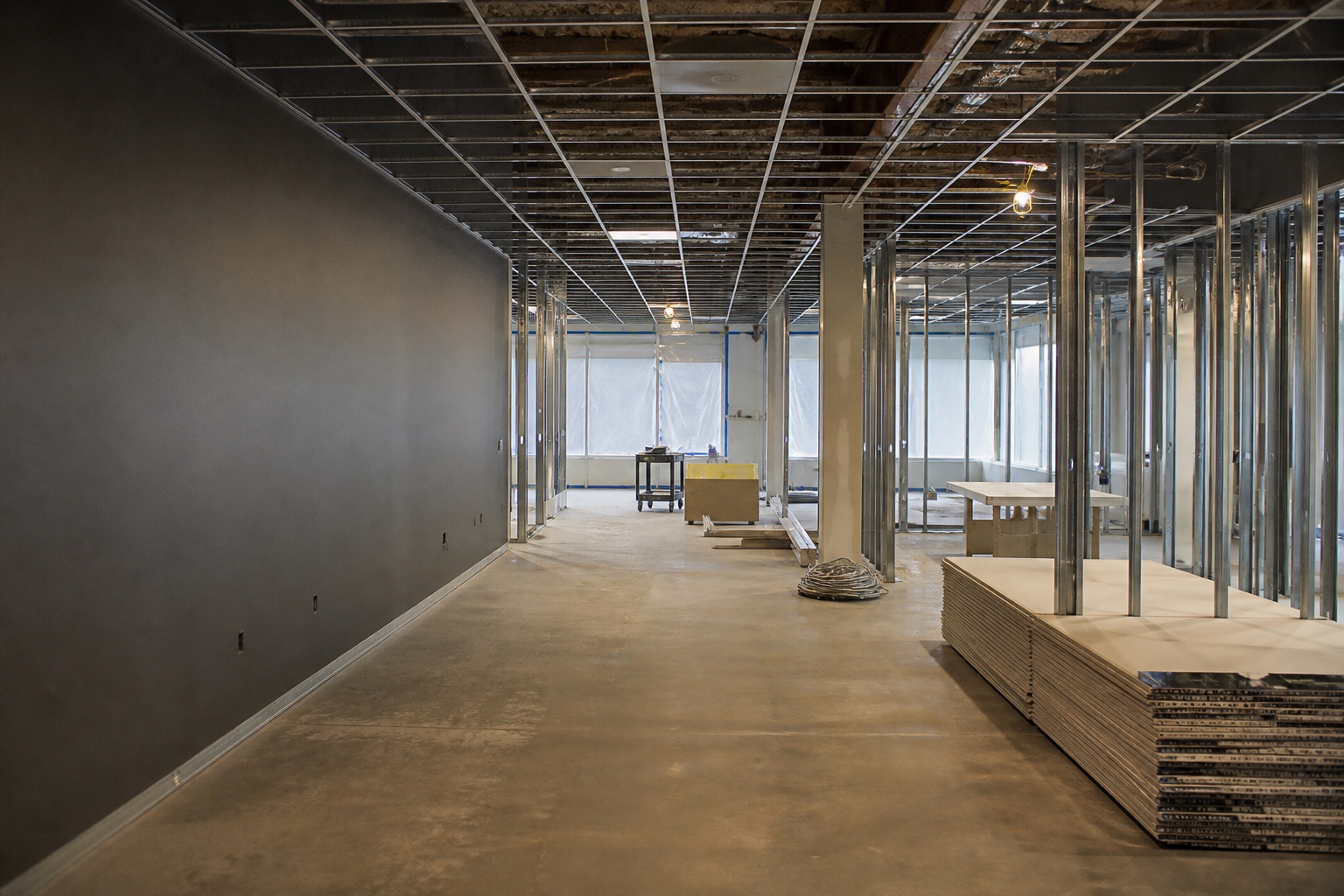
Illustrative design inspiration, not a completed Remodeling Veterans project.
Remodeling Planning
Commercial Tenant Improvements Planning Guide for Santa Clara Owners
A useful commercial tenant improvements conversation starts before anyone talks about a generic price. This guide helps business owners, tenants, landlords, and property teams organize the details that make the first call with Remodeling Veterans more practical. Use this guide to gather the details that make the initial review more useful, then talk through the project with Remodeling Veterans.
What Usually Shapes Commercial Tenant Improvements
These are the practical details that make a commercial tenant improvements consultation more productive before construction planning gets serious.
- 01Goals
- 02Existing conditions
- 03Decisions
- 04Sequence
Scope Fit
Define what the finished business space needs to solve, what must stay, and what has to change for daily use.
Local Constraints
Collect lease, landlord, accessibility, inspection, equipment, and business-hour notes before the first contractor conversation.
Finish Direction
Cabinets, stone, tile, lighting, flooring, fixtures, paint, millwork, doors, windows, and exterior details should be discussed early.
Decision Path
Photos, drawings, timing, occupancy, access, and budget direction help turn a rough idea into a useful next step.
Conversion Planner
Turn Commercial Tenant Improvements Research Into a Clearer Next Step
Use this guide to understand the project details that matter before you request help, so the first conversation feels specific instead of vague.
Clarify the project type, city, property, and reason this work matters now.
Add photos, plans, timing, access notes, and constraint details when available.
Compare whether the scope needs planning, drawings, finish guidance, or a construction conversation.
Use the service page or contact form when the project is ready for a direct next step.
Useful First Details
Before You Request a Consultation
Use this list to make the first contact with Remodeling Veterans more direct. The goal is not to overprepare; it is to send enough signal that the next step is clear.
- Write down the property city and the main reason the project matters.
- Gather photos of the current space from several angles.
- Note timing pressure, occupancy needs, or business operating hours.
- Save drawings, lease notes, HOA notes, landlord comments, or prior permit comments if you have them.
- List finish expectations that matter most, even if brand selections are not final.
Commercial Tenant Improvements Project Signals
Tenant improvement construction for leased spaces that need to become usable, brand-ready, inspection-aware, and open for business.
- Office, retail, clinic, and service build-outs
- Interior partitions, ceilings, and finishes
- Lighting, flooring, millwork, and fixtures
- Landlord and permit coordination support
Service and City Pages to Compare
Use these links to move from general research to the service or city page that best matches your property, business space, and location.
Related Commercial Tenant Improvements Planning Articles
These related guides help compare planning details, timing questions, budget factors, and contractor-fit questions before you reach out.
Commercial Tenant Improvements Questions
Short answers for readers deciding whether this project is ready for a contractor conversation.
When should I contact a contractor for commercial tenant improvements?
Contact Remodeling Veterans once you can describe the city, project type, goal, timing, and known constraints. You do not need every finish selected before the first conversation.
Do I need drawings before asking about commercial tenant improvements?
Drawings help, but they are not always required for the first call. Photos, measurements, existing conditions, and notes about city, lease, landlord, HOA, or permit issues can also start the conversation.
Why does this planning process make the first call easier?
The goal is to avoid a frustrating, vague estimate call. Clear project details help Remodeling Veterans understand whether the project is ready for a deeper conversation and what should happen next.
Next Step
Ready to Talk About Commercial Tenant Improvements?
Send the city, property type, scope, timing, photos, and any notes you already have. Remodeling Veterans will use those details to identify the practical next step.
- Residential and commercial remodeling conversations.
- Clearer first calls with fewer unknowns.
- Santa Clara base with nearby Silicon Valley service coverage.
- Direct phone support at (408) 618-5555.
Request a Consultation
A few details are enough to start the right conversation.