Remodeling Veterans Service
Restaurant Remodeling Contractor Serving Silicon Valley
Connect the guest experience with a kitchen and service layout that works. Remodeling Veterans coordinates restaurant remodeling across Silicon Valley, planning dining areas, back-of-house flow, utilities, ventilation, finishes, and the requirements of your intended operation.
Licensed California general building contractor · Verify CSLB #1061602
THE REMODELING VETERANS DESIGN STUDIO
See the possibilities.
Make them yours.
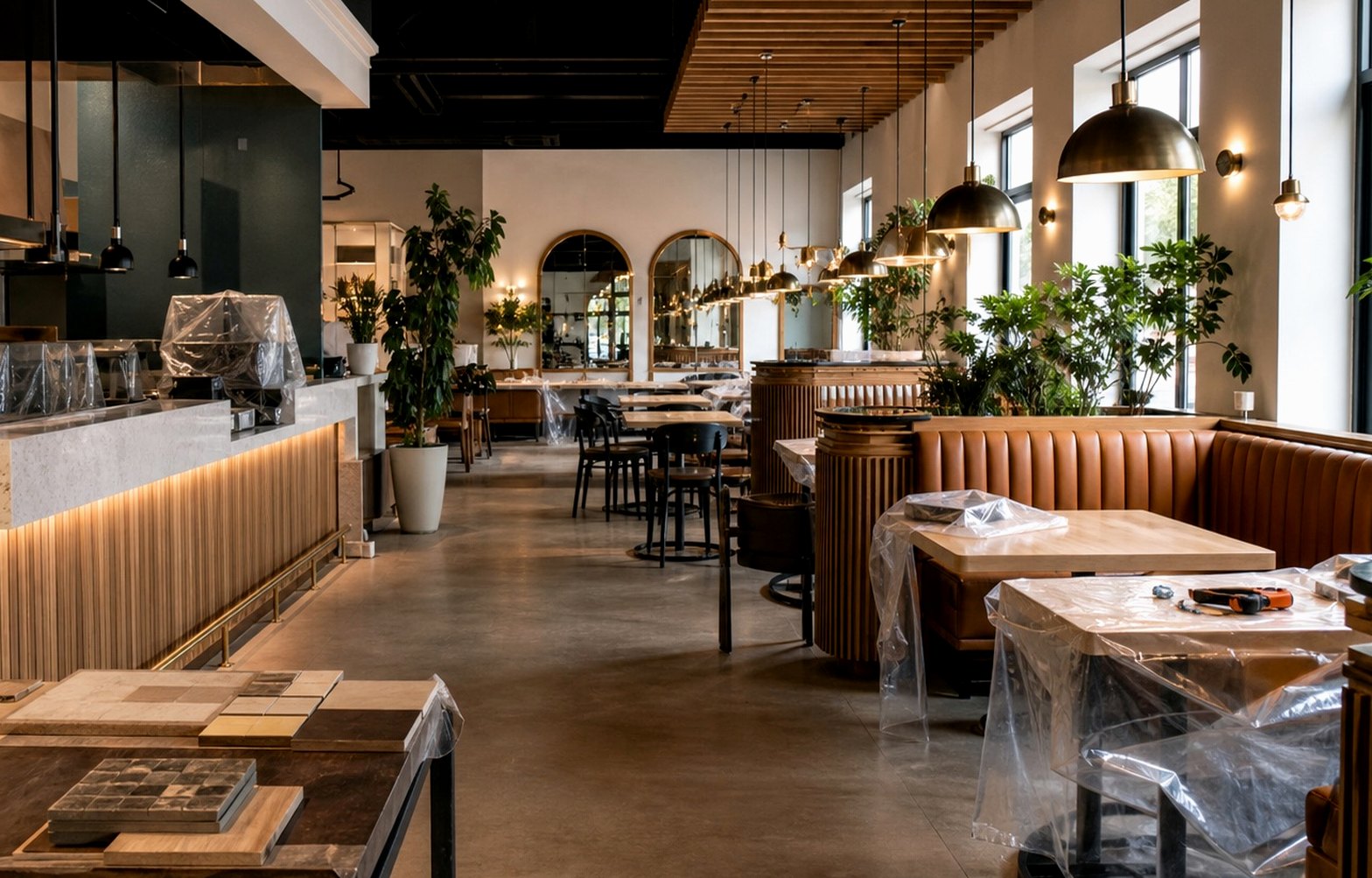
Explore the dining atmosphere, seating, and service counter.
Choose a finish. The view follows your focus.
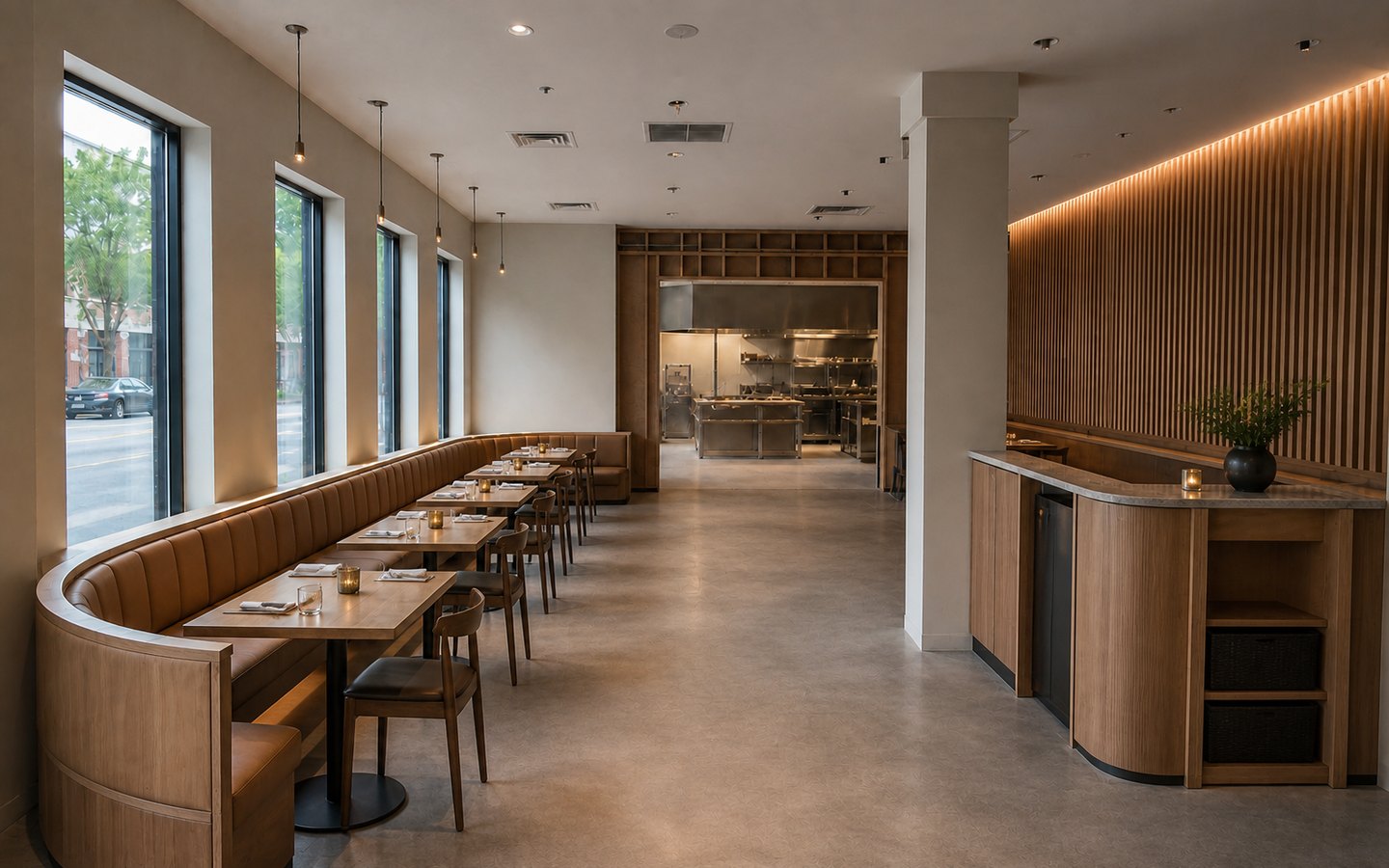
Explore this concept in 3D. Materials and room views load as you approach the studio.
Compare materials in the finished concept. Window openings and the room footprint stay fixed.
Illustrative design study, not a completed project, measured plan, product quote, or construction specification. Actual layout, materials, accessibility, engineering, and permits require project review. On-screen colors are approximate.
Planning Depth
Important Details Before Construction Starts
Good commercial remodeling work starts before demolition. We look at the existing tenant space, business operations, city process, lease or landlord requirements, finish expectations, lead times, and the way the finished space should function.
Health and Building Review
Food-service spaces can involve building, fire, health, ventilation, plumbing, accessibility, and equipment-related review.
Service Flow
Guest entry, ordering, pickup, seating, restrooms, staff paths, and delivery flow need practical planning.
Durability
Restaurant floors, walls, counters, restrooms, and millwork must handle spills, cleaning, traffic, and daily wear.
Opening Date
Permits, inspections, equipment, furniture, signage, utilities, and final cleaning should be aligned with the launch plan.
Restaurant Remodeling Features Customers Notice
Guest-facing details need to look sharp while surviving constant commercial use.
- Dining room flooring, lighting, feature walls, and acoustic improvements.
- Bar fronts, service counters, pickup shelves, and display areas.
- Restroom tile, partitions, fixtures, lighting, and ventilation.
- Banquettes, millwork, host stands, and custom storage.
- Back-of-house support areas and durable washable surfaces.
A More Organized Build Path
Every commercial project has its own details, but the business experience should still feel structured, direct, and easy to follow.
Restaurant Goals
We review the concept, existing space, guest flow, food-service needs, timing, and known permit questions.
Build-Out Plan
Dining, service, restroom, back-of-house, finishes, equipment touchpoints, and inspections are organized.
Construction Sequence
Demolition, rough work, inspections, finishes, millwork, lighting, fixtures, and final details move in order.
Ready to Open
Punch-list items, cleaning, owner walkthrough, and final corrections prepare the space for service.
Before Your Consultation
Turn Restaurant Remodeling Contractor Ideas Into a Clearer First Conversation
Tell us the restaurant concept, existing use and whether the work involves the kitchen, dining area or both. Include landlord requirements, available equipment information and any planned closure or phased operation. The relevant authorities and project professionals determine the review requirements.
Confirm the service, property type, city, timeline, and reason the project matters.
Surface access, city, HOA, lease, landlord, utility, or operational details before they become surprises.
Identify the level of finish, materials, durability, and daily-use expectations early.
Move into a focused consultation instead of vague back-and-forth messages.
What Is Included in Restaurant Remodeling Contractor
Before you call, it helps to see what is usually included, which details affect timing, and what decisions shape the finished space for restaurant remodeling contractor projects.
Dining Room Remodeling
Plan seating flow, feature walls, lighting, flooring, paint, acoustics, banquettes, and guest-facing finish details.
Counters and Service Areas
Coordinate point-of-sale areas, pickup counters, bar fronts, display cases, service lines, millwork, and durable surfaces.
Restroom Upgrades
Improve restaurant restrooms with durable tile, fixtures, partitions, lighting, ventilation, accessibility, and easy-clean finishes.
Back-of-House Support
Discuss storage, prep support, staff areas, utility access, washable surfaces, and service circulation.
Restaurant Tenant Improvements
Coordinate interior changes with permit-aware planning, inspections, equipment timing, and landlord or franchise requirements.
Opening Readiness
Track punch-list, cleaning, fixture installation, final details, and readiness items before soft opening or relaunch.
Restaurant Remodeling Contractor Planning Resources
These official resources help owners check permit, inspection, and licensing details before requesting a remodeling consultation.
Santa Clara Permit Center for City Projects
For projects in the City of Santa Clara, review its permit, plan-review, and inspection information. For work elsewhere in Silicon Valley, use the service-area directory to find the authority serving the project address.
California Contractors State License Board
Use CSLB resources to understand contractor licensing, consumer protection, and California contractor requirements before construction starts.
Local Service Expertise
Restaurant Remodeling Planning Across Silicon Valley
Silicon Valley has thousands of restaurants and eating places, from full-service restaurants to cafes and limited-service concepts. Remodeling Veterans helps food-service operators plan guest-facing remodels and tenant improvements around schedule, durability, and inspection realities. From its Santa Clara base, Remodeling Veterans adapts scope, permit coordination, and sequencing to the project city and jurisdiction across Silicon Valley.
Silicon Valley Service Areas
Tell us where the space is located and what kind of business will use it. We will help map the next practical step.
- Santa Clara
- San Jose
- Ask about Sunnyvale
- Ask about Cupertino
- Ask about Mountain View
- Ask about Los Altos
- Ask about Los Altos Hills
- Ask about Palo Alto
- Stanford
- Ask about Menlo Park
- Ask about Atherton
- East Palo Alto
- Campbell
- Ask about Saratoga
- Ask about Los Gatos
- Ask about Milpitas
- Ask about Alviso
- Ask about Fremont
- Newark
- Ask about Union City
- Ask about Redwood City
- Ask about Burbank
Restaurant Remodeling Contractor Service-Area Pages
Explore available local planning pages, or start a consultation for another project city by sharing the location, property details, scope, and priorities.
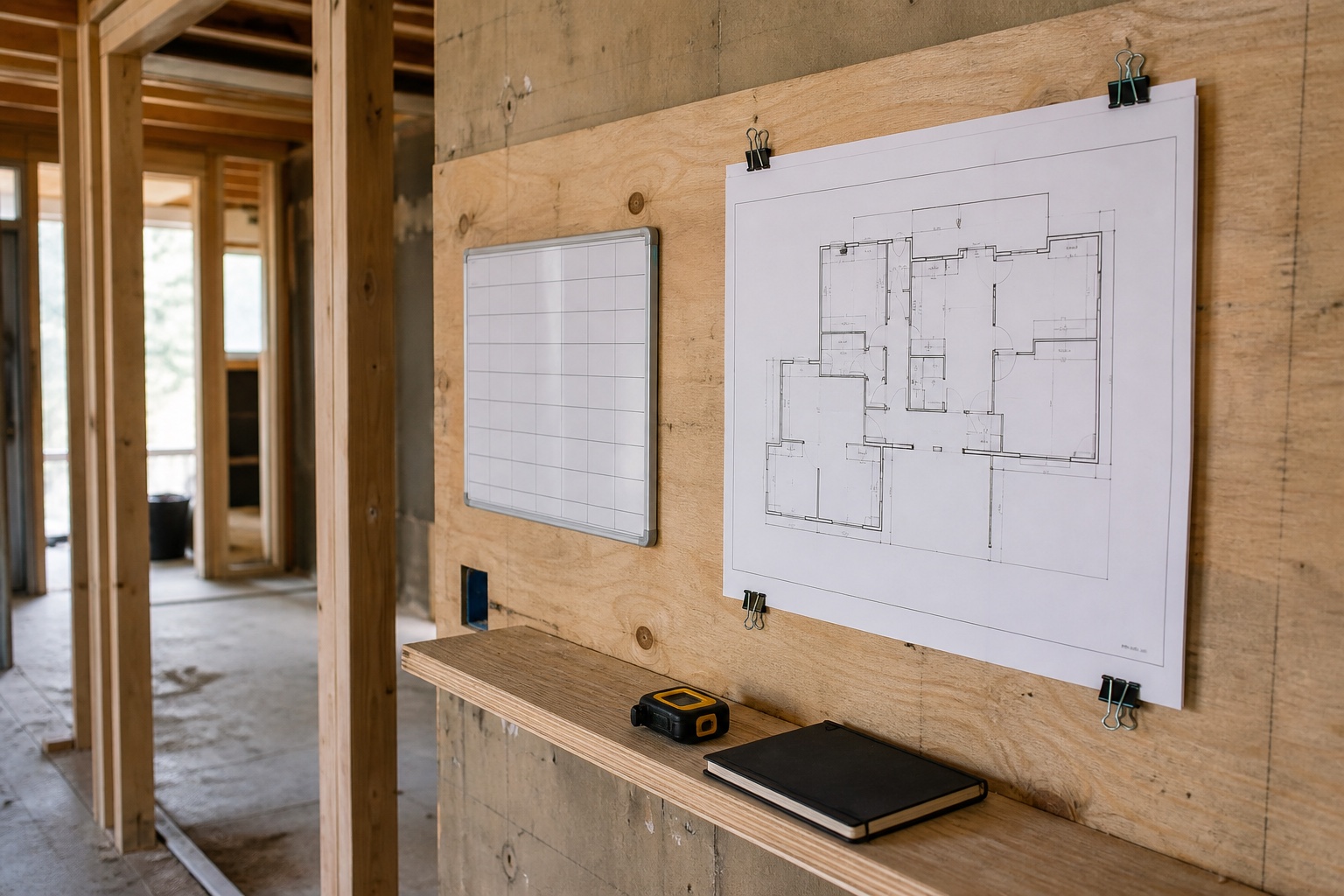
Planning in another Silicon Valley city? Tell us the location and what you want to change.
Helpful Restaurant Remodeling Contractor Articles
Prepare your restaurant remodel around service flow, equipment, dining areas, approvals and opening priorities. These guides help you identify exclusions and coordination questions before choosing a contractor.
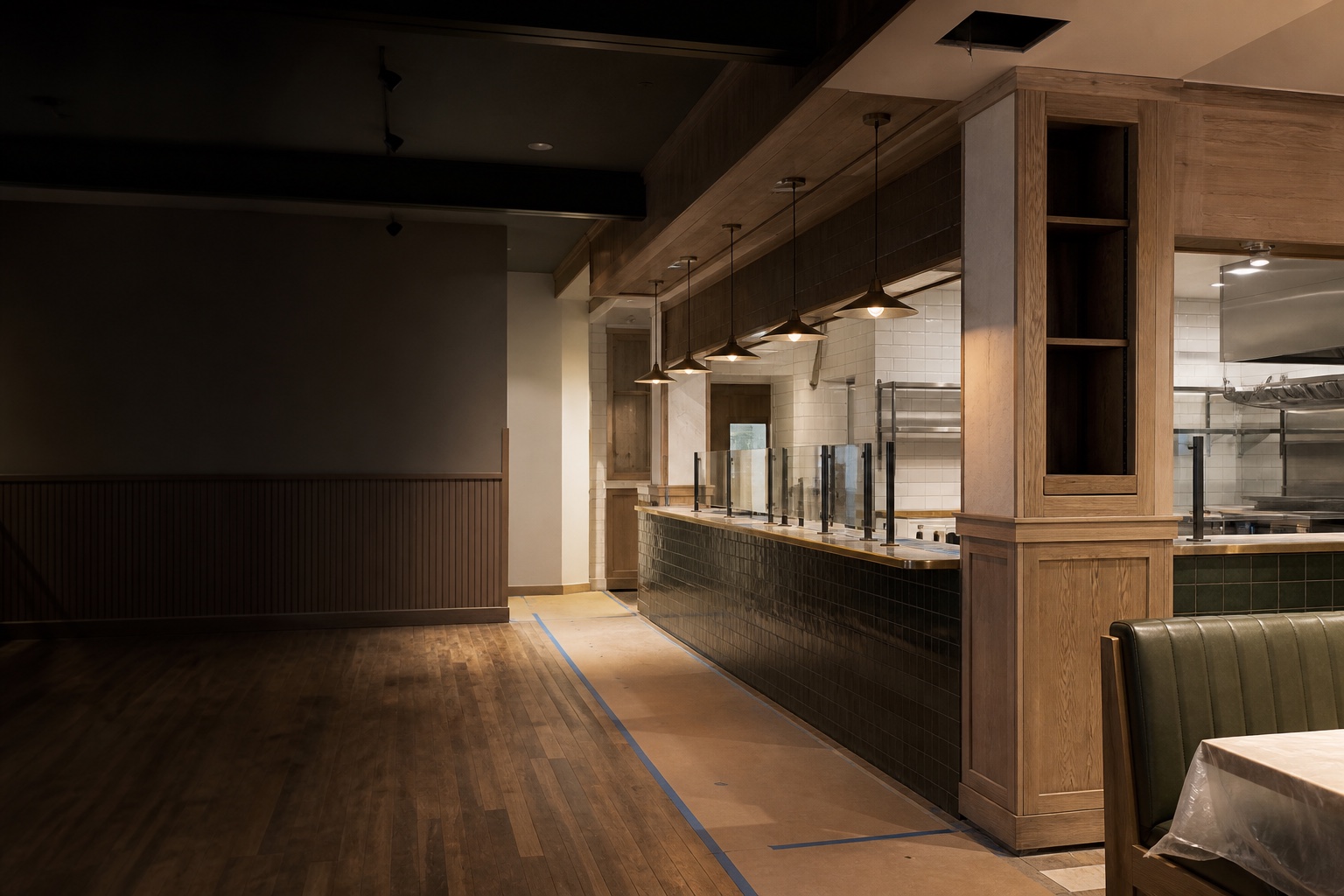
Restaurant Remodeling Contractor Planning Guide for Santa Clara Owners
A practical guide to scope, timing, finishes, local constraints, and the details to collect before the first consultation.
Read GuideRestaurant Remodeling Contractor Cost and Timeline Drivers in Silicon Valley
See what usually affects budget direction and schedule before a responsible contractor can talk through the project path.
Read Guide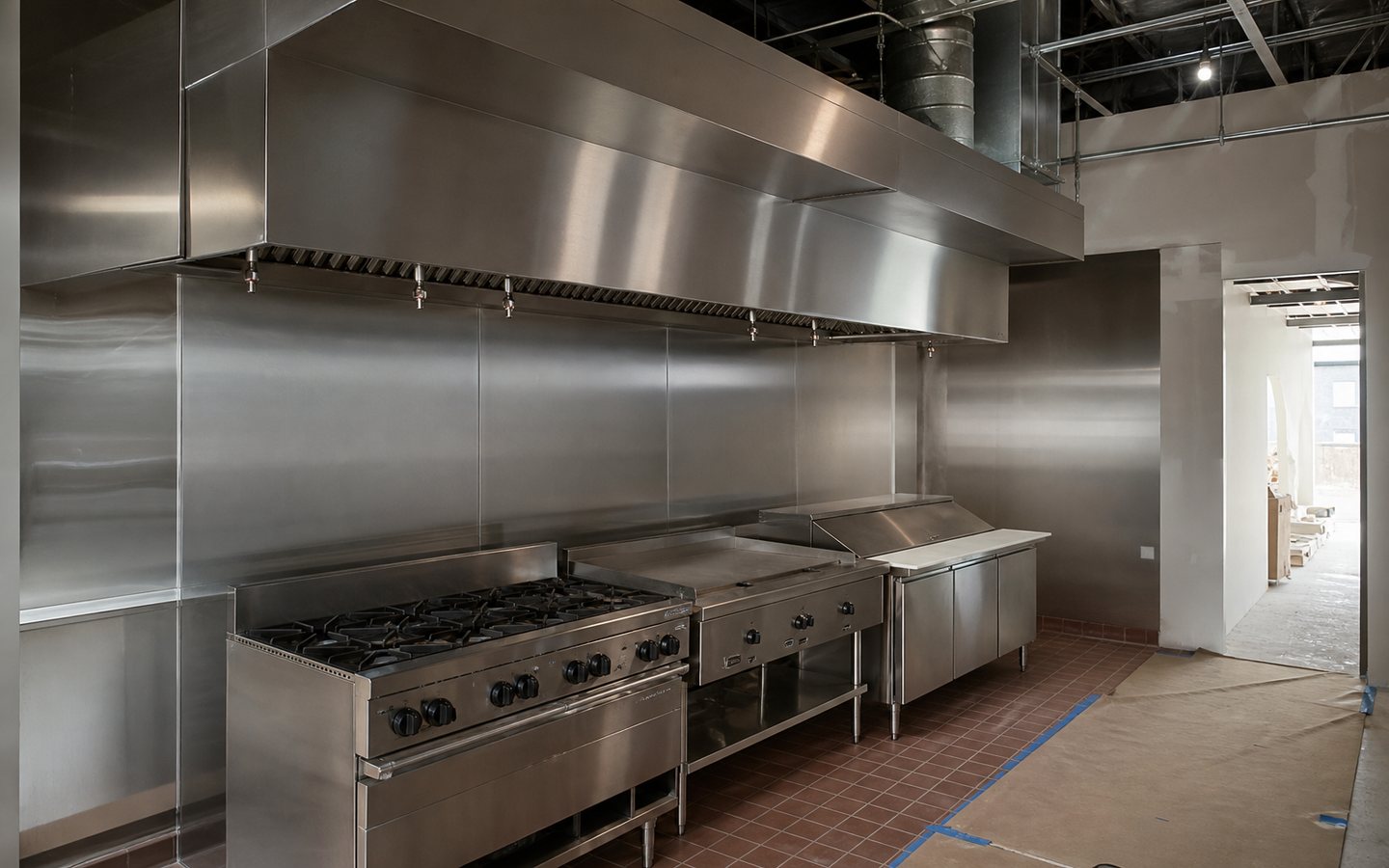
Questions to Ask Before Hiring a Restaurant Remodeling Contractor
Use these contractor questions to compare communication, scope clarity, local awareness, and whether the next step is defined.
Read GuideRestaurant Remodeling Contractor Mistakes to Avoid Before Construction Starts
Avoid scope creep, late finish decisions, unclear access notes, and weak first-call details before the project gets expensive.
Read GuidePlan Your Restaurant Remodeling Contractor With Fewer Unknowns
Before a business commits to a commercial remodeling contractor, it helps to know which details can affect opening dates, inspections, staff flow, customer experience, and budget direction. These are the items we clarify first.
Useful Scope Signals
What We Clarify First
- Dining room and guest-area updates
- Counters, service lines, and restroom upgrades
- Durable flooring, wall, lighting, and finish packages
- Restaurant tenant improvement coordination
Existing Space Conditions
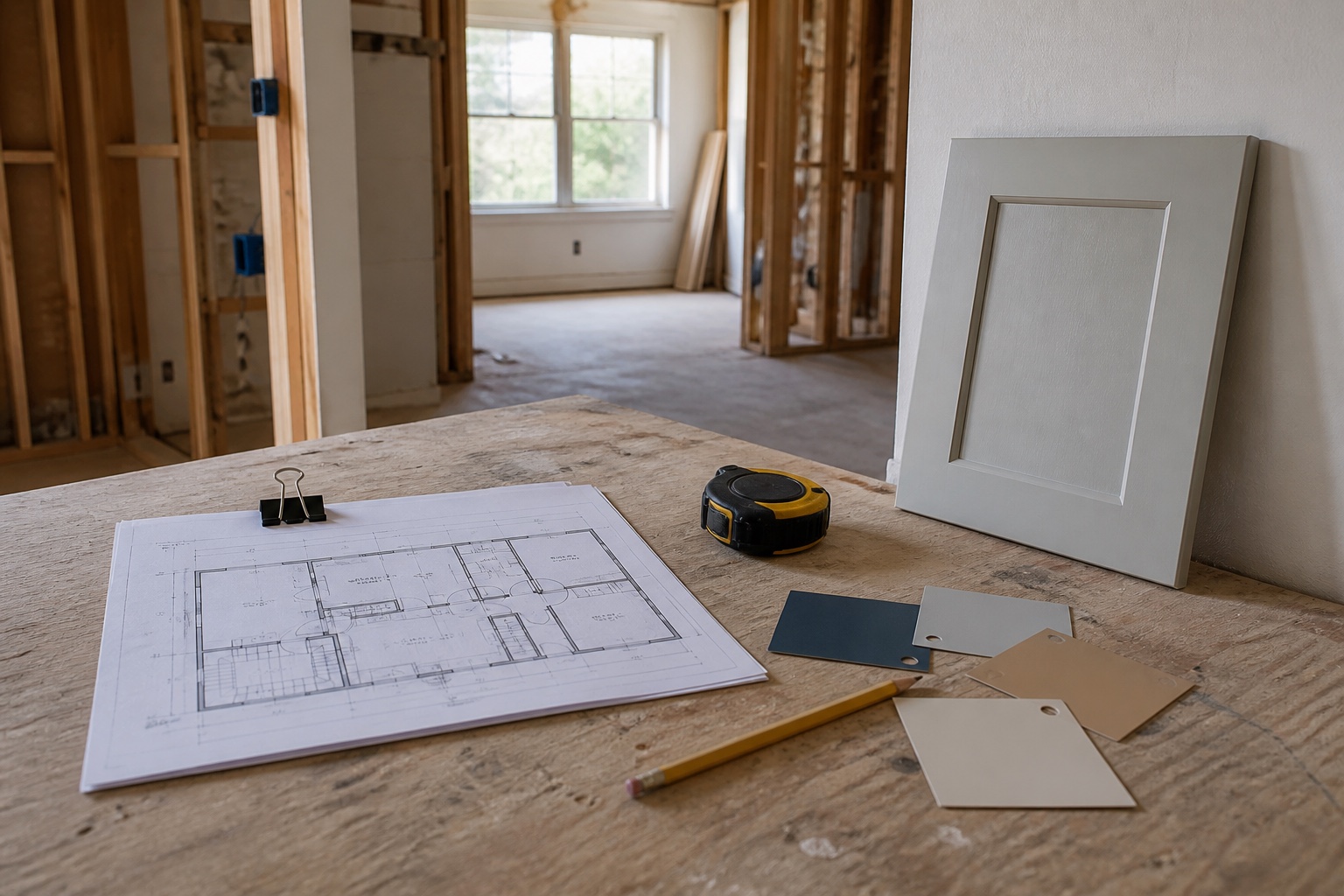
Photos, measurements, lease notes, current layout, utilities, ceiling conditions, and known problem areas help support a more realistic project review.
Plans, Landlord, and City Notes
Drawings, landlord requirements, permit comments, accessibility notes, and prior inspection details help identify the next planning step faster.
Brand, Finish, and Equipment Expectations
Flooring, lighting, millwork, counters, fixtures, equipment, surfaces, and customer-facing details affect both budget direction and schedule.
Operations and Access
Opening date, business hours, work restrictions, parking, staging, deliveries, and customer or staff access shape the construction sequence.
Restaurant Remodeling Questions
Clear answers help business owners and property teams decide whether the project is ready for a contractor conversation.
Do restaurant remodels need permits?
Many do, especially when the scope changes walls, restrooms, electrical, plumbing, ventilation, accessibility, or food-service equipment.
Can you remodel a dining room without changing the kitchen?
Yes. Dining rooms, counters, restrooms, lighting, flooring, paint, and millwork can often be scoped separately from kitchen changes.
Can work happen after hours?
Sometimes. After-hours or phased work depends on building rules, noise, safety, inspections, trade availability, and the scope.
What should restaurant owners prepare?
Photos, plans, equipment needs, target opening date, landlord notes, health or city comments, and desired guest experience are helpful.
Related Remodeling Services
Many commercial projects connect to adjacent scopes. These related services help compare the right path before committing to a build-out plan.
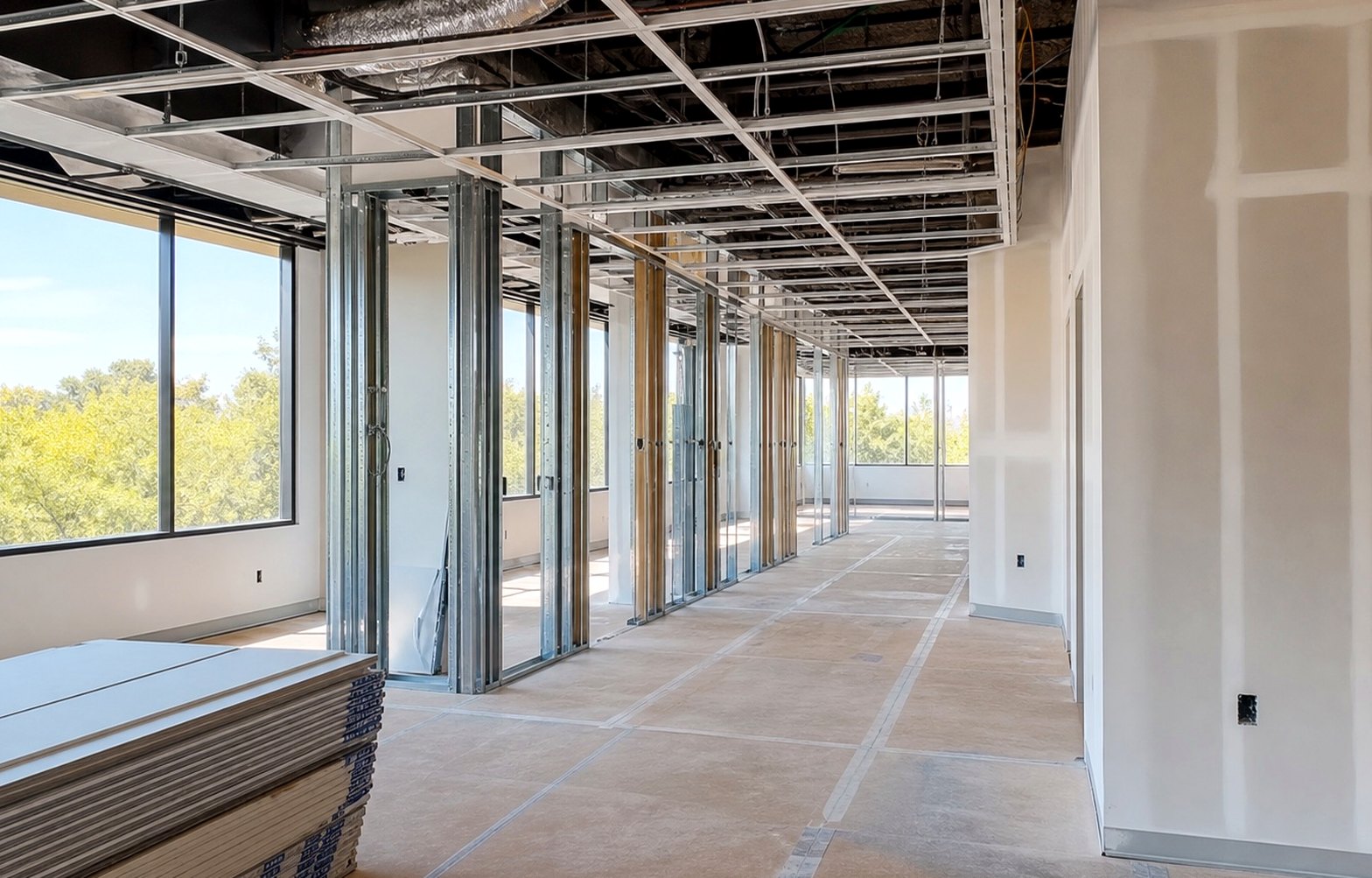
Commercial Tenant Improvements
Tenant improvement construction for leased spaces that need to become usable, brand-ready, inspection-aware, and open for business.

Retail Store and Showroom Remodeling
Retail store and showroom remodeling for spaces that need better customer flow, stronger displays, cleaner lighting, and finishes that help products sell.
Commercial Remodeling Contractor
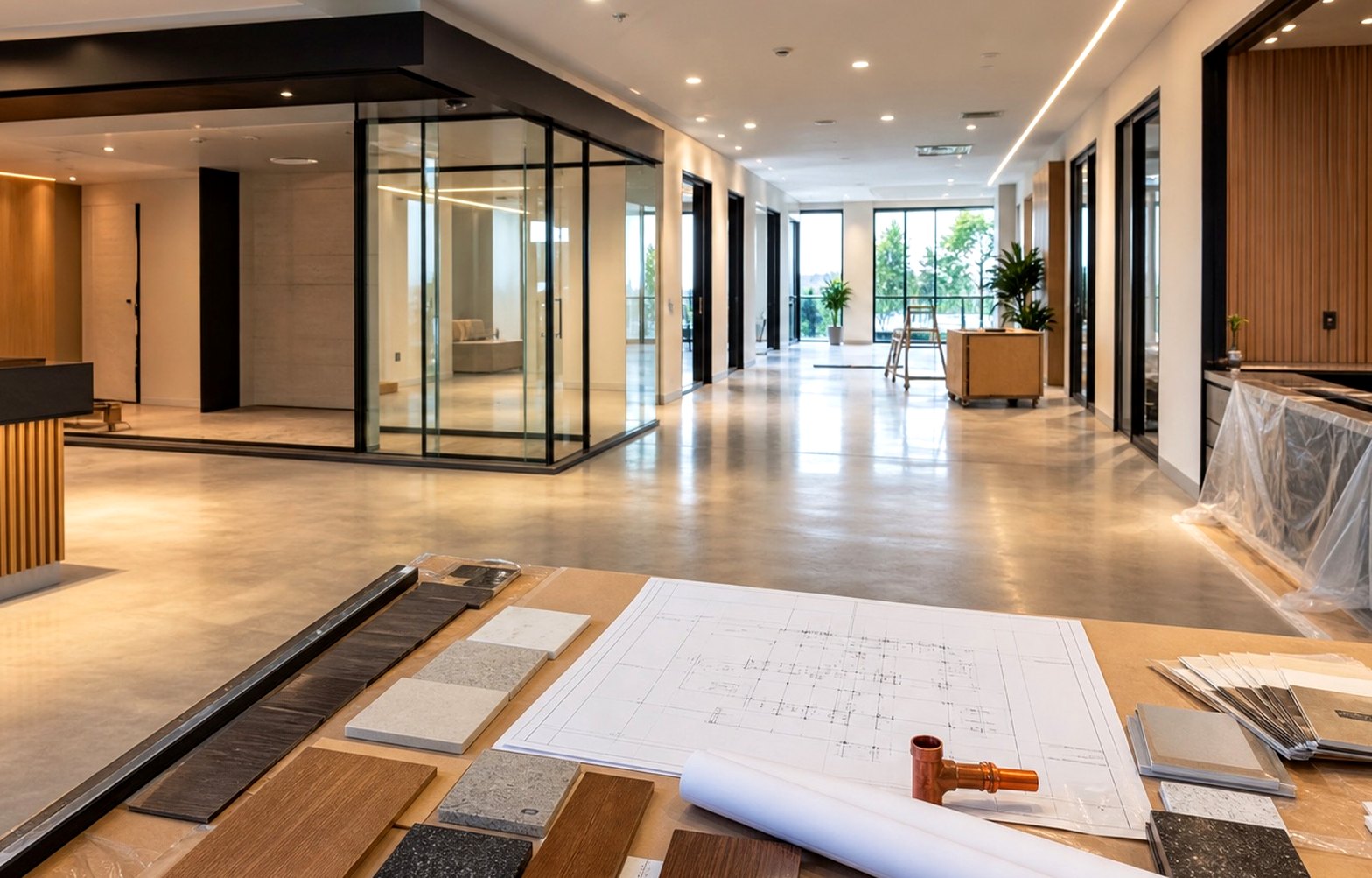
Commercial remodeling for business spaces that need to look better, work harder, welcome customers, support staff, and move toward opening with fewer surprises.
Request a Consultation
A few details are enough to start the right conversation.
Start Here
Talk Through Your Restaurant Remodeling Contractor Project
Share your city, restaurant type, scope and current lease or design stage. Include equipment changes and operating constraints so we can discuss the next planning step.
- Use the form for a focused project review about scope, timing, lease notes, and business priorities.
- Share the space type, access needs, timeline, and priorities so the first call can stay focused.
- Prefer to talk now? Call (408) 618-5555.
- Based at 1850 Warburton Ave #213, Santa Clara, CA 95050 and serving residential and commercial projects across Silicon Valley.